|
Broad Ripple Random Ripplings


The news from Broad Ripple
Brought to you by The Broad Ripple Gazette
(Delivering the news since 2004, every two weeks)

|
| Brought to you by: |

|

|
|


|

|

|
Converted from paper version of the Broad Ripple Gazette (v06n15)
Recipes: Then & Now - Yogurt - by Douglas Carpenter
posted: Jul. 24, 2009

Yogurt
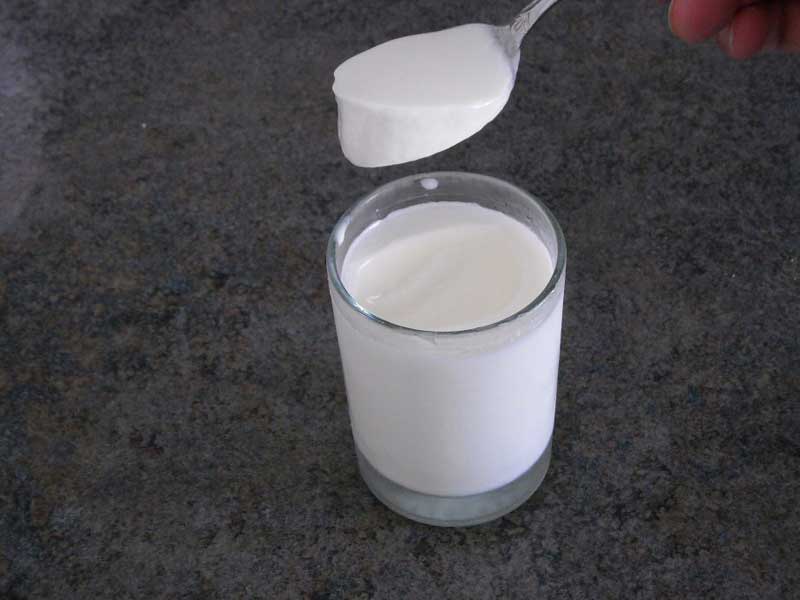
image courtesy of Douglas Carpenter
Many years ago I had a yogurt maker. It made the most wonderfully flavored yogurt, but what it produced was not very thick at all. Mostly it was something I would drink. I finally got tired of runny yogurt and got rid of the yogurt maker. Now I have taken an interest in making yogurt again since I now have a newer maker (I got it at Goodwill at a steal of a price). So not wanting to end up with the same runny yogurt I did some checking.
To start with, yogurt is a fermented milk product. It has been around for at least 4000 years, probably longer. Around the world, yogurt is both used in cooking and eaten fresh. It is made of milk from a variety of animals, but usually cows. The milk is heated and then inoculated with a starter culture of bacteria. Good-for-you kinds of bacteria. There are two types of bacteria commonly used: Streptococcus thermophilus and Lactobacillus bulgaricus. The milk is then kept warm for a length of time to thicken and coagulate the milk proteins. This bacteria basically eats the milk sugar, lactose, and turns it to lactic acid. Once chilled you have healthy delicious yogurt.
So, what was going wrong in the old machine? What was I not doing before? I did not know I needed to heat the milk at a temperature high enough to cook the milk proteins. It was simple as that. If you don't heat the milk enough it makes the same taste, but just leaves it as a liquid. Now I have the thick and creamy kind like you get at the store but it has a much better flavor. Believe me, MUCH better flavor. You will be amazed.
If you already have a yogurt maker you already know how simple it all is. If you don't have a maker but would like to try home made yogurt, you can, here's how.
1 quart milk, skim, 2% or whole
Yogurt culture starter
or 1 heaping tablespoon plain low fat yogurt with active cultures
First you will need several clean jars or a bowl with a lid, a cardboard box and a heating pad. Place the heating pad inside the bottom of the box and turn it on. Put a 13x9 baking pan on top of the heating pad. Fill one of the jars or your bowl with warm water. Place an instant read cooking thermometer into the water filled jar so you can easily see the temperature of the water. Being very careful not to spill any water on the heating pad, place the jar into the baking pan. Close the box and let it sit for several hours. It should maintain a steady temperature of around 100 degrees to 120 degrees. Any higher and your yogurt will be too sour to eat. Adjust the setting on the heating pad to get the right temperature range.
Once you have a working incubator you can begin the yogurt. Start the heating pad to get the box and baking dish warmed up and ready. Heat the milk to just above 180 degrees in a pan on the stove or a large bowl in a microwave. In a pan you will need to stir to prevent scorching. Leaving the milk in the pan, cool to 100 degrees. In a small measuring cup stir together the starter or store bought yogurt with a little of the warm milk. Pour this mixture back into the pan and stir to mix well. Pour the milk into the jars or bowl and cover each with a tight fitting lid. Place into the incubating box on the 13x9 baking pan, close the box and leave it alone for 3 to 4 hours. Open a jar and see if it has thickened up. If it has, refrigerate till cold, and enjoy. For some flavoring try a spoon of jam or jelly, honey or maple syrup. My favorite is a little lime or lemon juice and some artificial sweetener. If you do try this, let me know how it goes! I would love to hear from you.

image courtesy of Douglas Carpenter
| Brought to you by: |

|
|
|
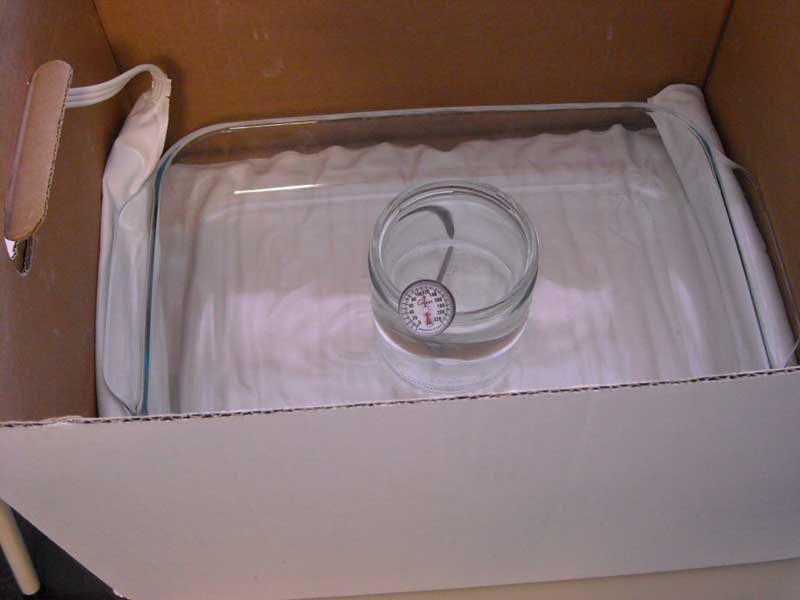
image courtesy of Douglas Carpenter

image courtesy of Douglas Carpenter
| Brought to you by: |
|
|

|
|
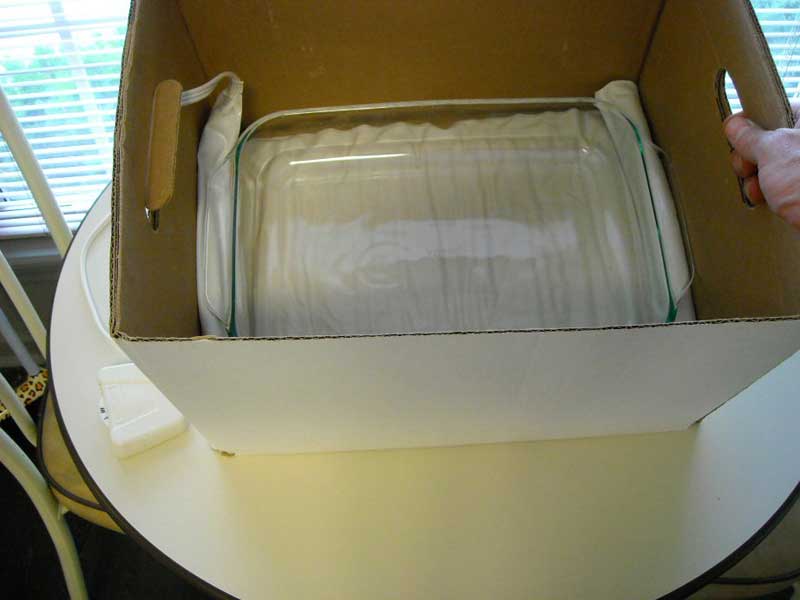
image courtesy of Douglas Carpenter
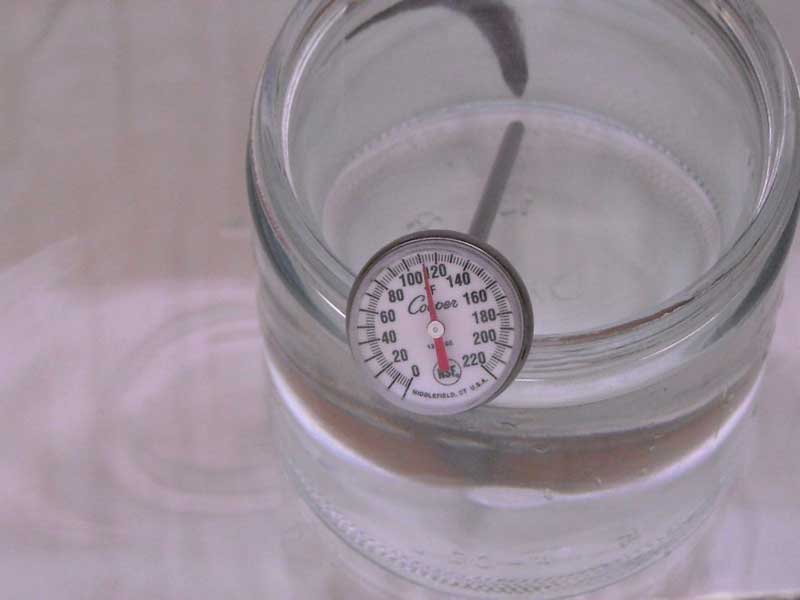
image courtesy of Douglas Carpenter
| Brought to you by: |
|
|
|
|
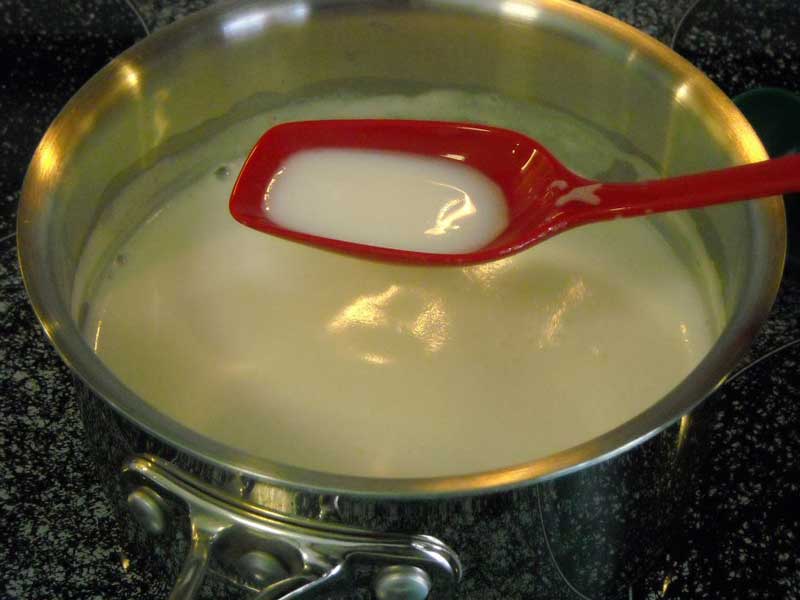
image courtesy of Douglas Carpenter
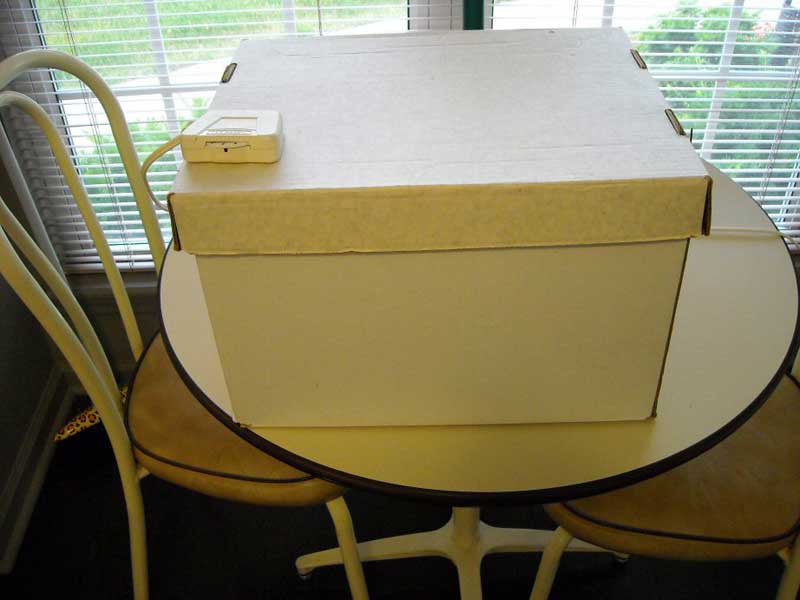
image courtesy of Douglas Carpenter
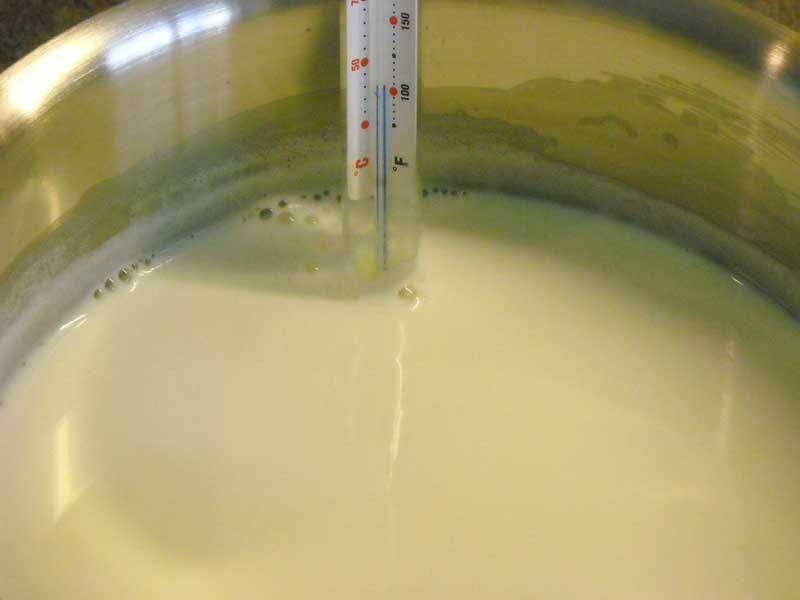
image courtesy of Douglas Carpenter
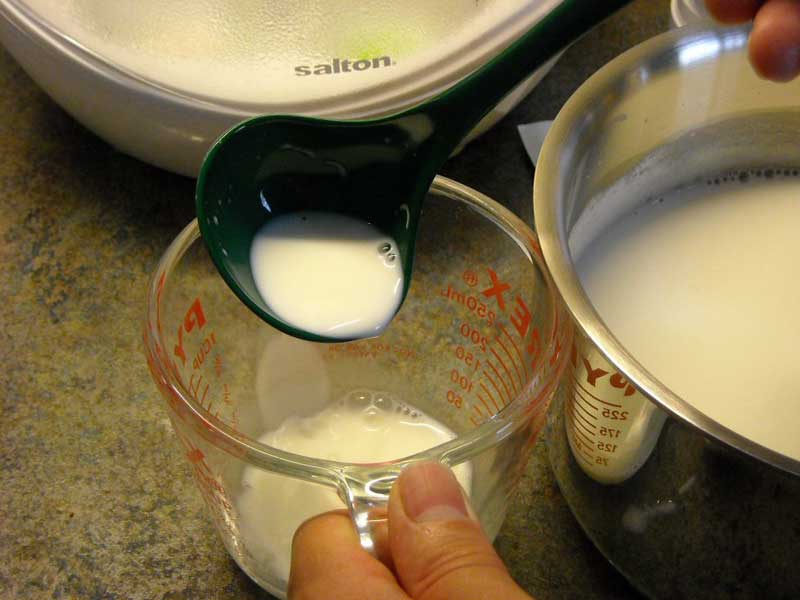
image courtesy of Douglas Carpenter
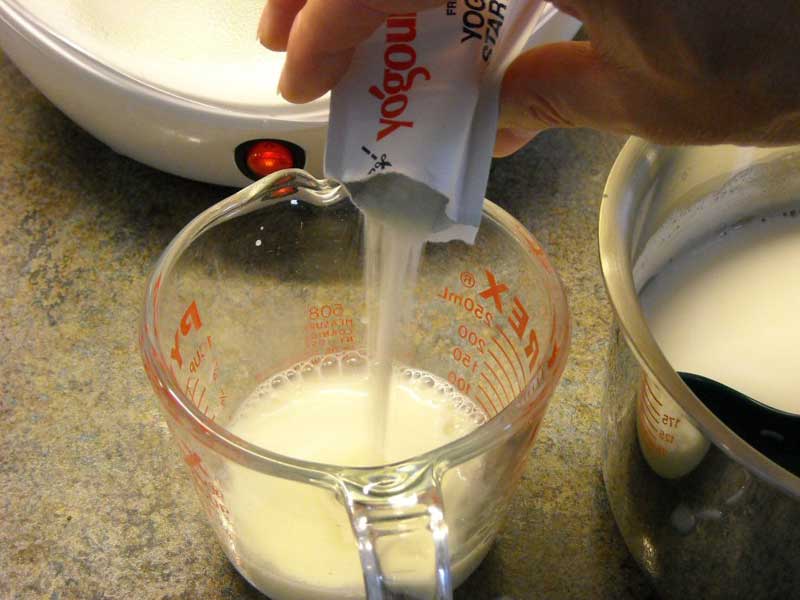
image courtesy of Douglas Carpenter
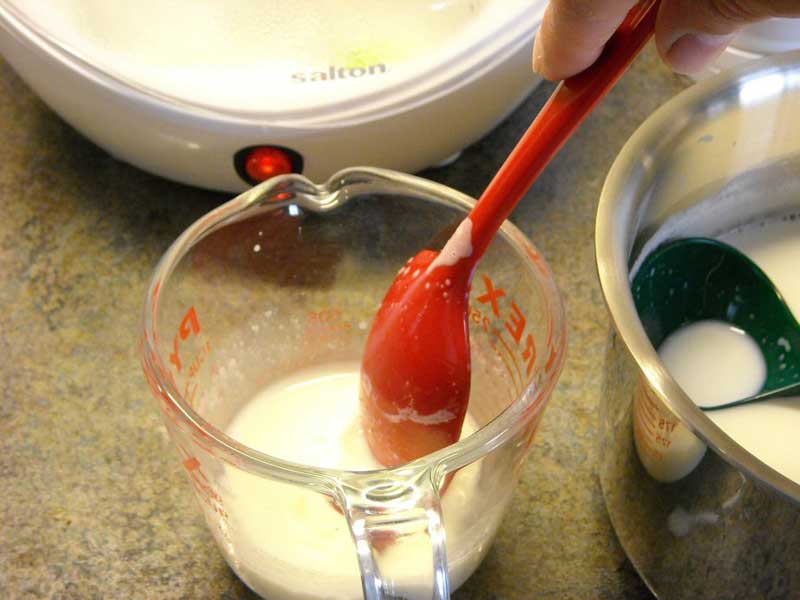
image courtesy of Douglas Carpenter

image courtesy of Douglas Carpenter
Douglas Carpenter is an avid recipe and cookbook collector. He has over 400 cookbooks in his library and he has published two cookbooks of locally-collected recipes. He has won sweepstakes and blue ribbons in the Culinary Arts division of the Indiana State Fair. Email your cooking questions to douglas@BroadRippleGazette.com
douglas@broadripplegazette.com
|
|
|
|

