|
Broad Ripple Random Ripplings


The news from Broad Ripple
Brought to you by The Broad Ripple Gazette
(Delivering the news since 2004, every two weeks)

|
| Brought to you by: |

|

|
|


|

|

|
Converted from paper version of the Broad Ripple Gazette (v06n11)
Recipes: Then & Now - Cookware / Black Bean Soup for Pressure Cooker - by Douglas Carpenter
posted: May 29, 2009

Cookware
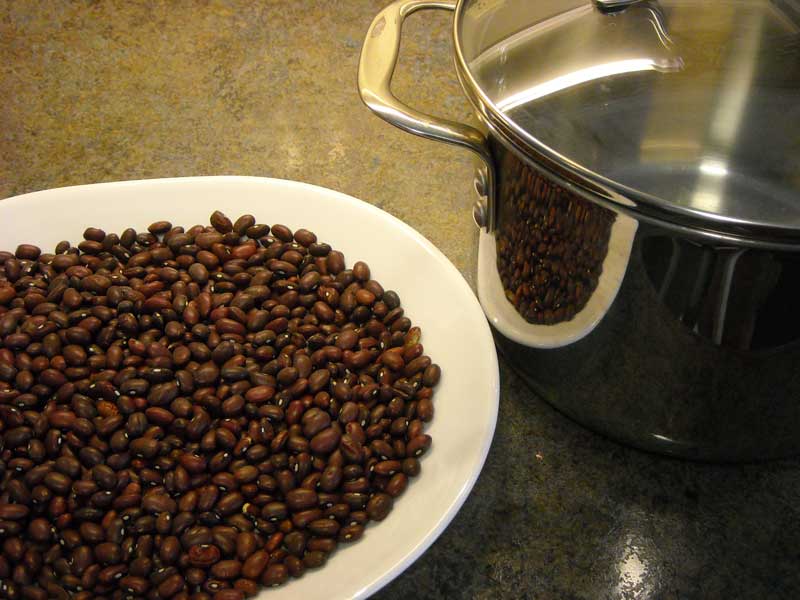
image courtesy of Douglas Carpenter
I have recently made a major investment in my cooking future. I purchased a set of high quality cookware.
It's not that I really needed to get new pots and pans; I just had the opportunity to get a great set at a great price. I have been using a good set of Farberware for the past ten years and enjoyed every minute of it. It is nice cookware but it has limitations. But before I get into all that, maybe I need to review some information about cookware. It is interesting, after all.
Cookware started out as clay pots which were used over an open fire. This progressed to fired ceramics. With the coming of the Iron Age, iron was used and later other metals like copper were formed into cooking containers. Our great grandmothers used these very same materials for cookware. Not until the late 1800s did a few modern changes begin to happen.
The major change was the refining of aluminum. The ore of aluminum is bauxite and is very common in the earth's crust. The refining into a pure metal was late in coming because aluminum so readily oxidizes. The process to create pure aluminum was a monumental event for many industries, including the manufacture of cookware.
The reason aluminum was so welcomed into the kitchen is this highly heat conductive metal is so lightweight. Now, cooks could have a pan that would heat up and cool down quickly. It would also be significantly lighter, making the cooking task easier. But it does have a problem. It will react in a negative way with acidic foods like tomatoes and vinegar causing an off, metallic taste. Not a good thing.
To make cookware that is both lightweight and does not cause problems with the taste of the food cooked in it, manufacturers have come up with a simple way of making modern cookware: using two or more metals and layering them together. My old Farberware has a layer of aluminum sandwiched between two layers of stainless steel. This is a method that works. But, with Farberware, the aluminum is limited to a round disk only in the base of the pan. It keeps things evenly heated and cooking nicely, but only on the bottom. My new cookware has those same three layers but it goes all the way up the sides. This helps a pan cook more evenly without as much risk of scorching.
Another innovation came mid-century with non-stick coatings like Teflon. This allowed less time in the clean up of the cookware. The food doesn't adhere to the coating applied to the inside surface of the pan. The problem is it is just a thin coating on the outside of the pan metal. It is inevitable that the coating will get damaged and start to peel and flake away. Once it starts, it soon leaves the pan of little use. Many new coatings of the last few years are much better than the original, but we must remember to follow the manufacturer's use and care guidelines to make that coating last as long as possible.
My new cookware is Calphalon Tri-Ply. You will be seeing it in use in the pictures accompanying this article in the future, I am sure.
In the cooking I have done so far I can say only I am one happy cook!
Here is an old recipe of mine, I am not sure where I got it, but it is good enough to share.
Black Bean Soup for Pressure Cooker
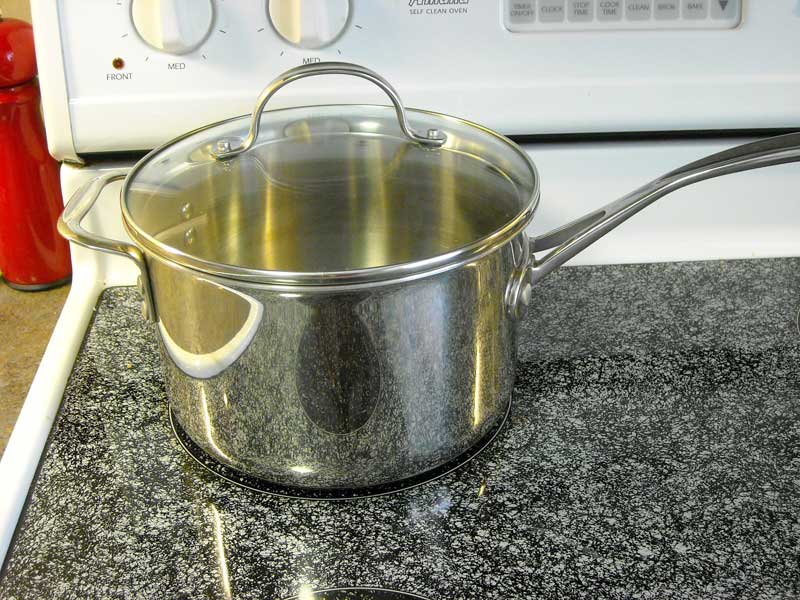
image courtesy of Douglas Carpenter
| Brought to you by: |

|
|
|
1 pound dry black beans
6 cups water
¼ cup instant minced dry onion
½ cup celery, chopped
¼ teaspoon dry mustard
Dash pepper
2 tablespoons lemon juice
2 teaspoons salt
Pick through dry beans to remove any stones or debris. Rinse and soak overnight in plenty of water. Drain, rinse and drain again. Put all ingredients, except salt, in 6 to 8 quart stock pot. Bring to a boil over high heat, reduce heat to a simmer and cover. Cook for 2 to 2½ hours or till beans are soft. Stir in salt and enough water to make the soup the thickness you prefer.
Douglas Carpenter is an avid recipe and cookbook collector. He has over 400 cookbooks in his library and he has published two cookbooks of locally-collected recipes. He has won sweepstakes and blue ribbons in the Culinary Arts division of the Indiana State Fair. Email your cooking questions to douglas@BroadRippleGazette.com
douglas@broadripplegazette.com
|
|
|
|
| Brought to you by: |
|
|

|
|
| Brought to you by: |
|
|
|
|
| Brought to you by: |
|
|||
|
Copyrighted Property Of Broad Ripple Publishing
Site terms Broad Ripple Random Ripplings is hosted at Ionos.com |

